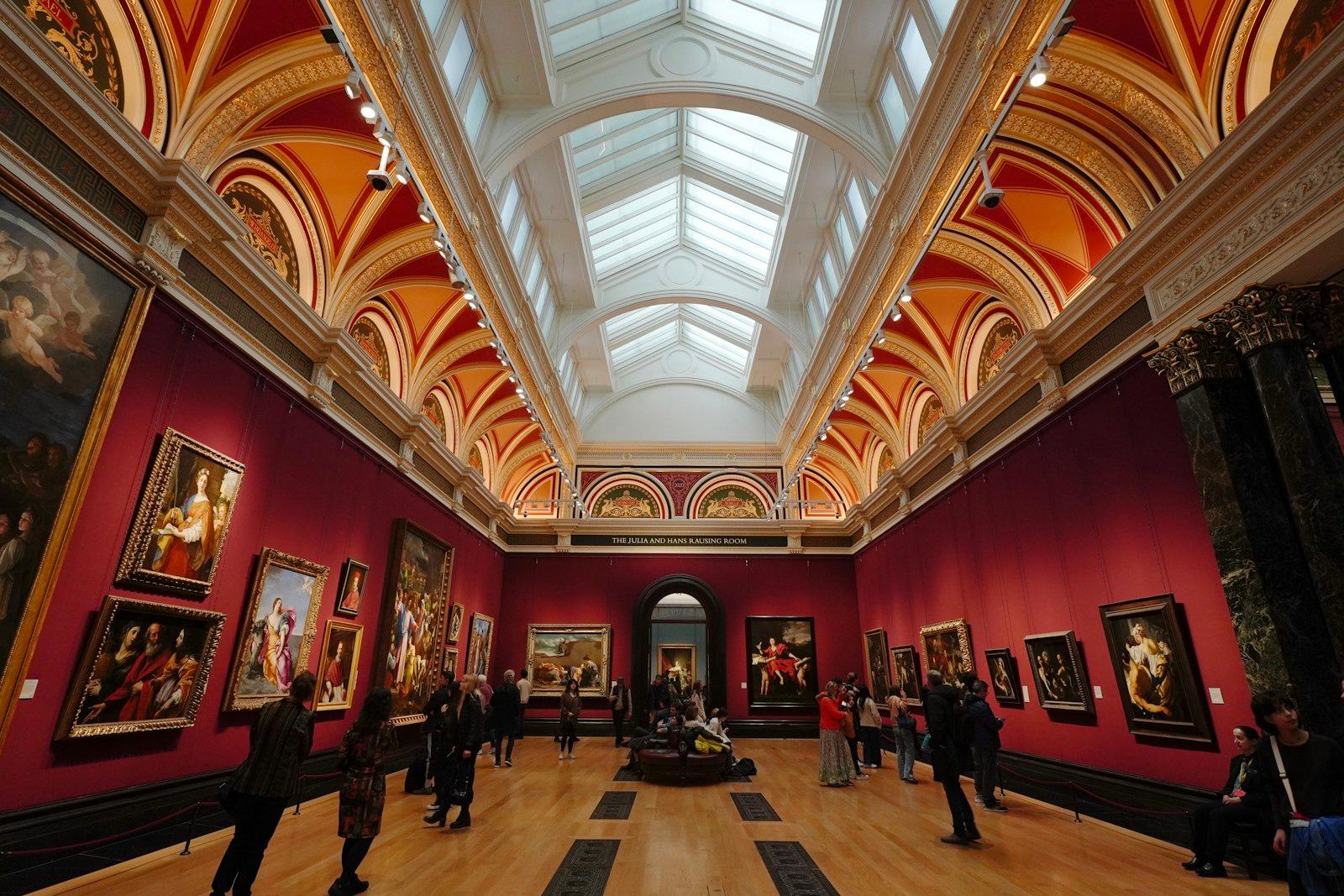
If you work in a UK museum, gallery, historic house, library or archive, Art Fund is probably the first name you hear when a work comes up that you would love to buy and cannot afford. It is an independent charity and takes no government money. Its grants are paid for by members who buy the National Art Pass, along with trusts, foundations and private donors.
Buying art for collections is its main programme, and it gives between £3m and £4m a year to help museums and galleries acquire works. Single grants range from a few hundred pounds to hundreds of thousands. Around that sit several smaller programmes: one for commissioning new work, one for curators' research and travel, a partnership with the National Gallery for analysing paintings, and the Museum of the Year prize.
This guide covers what each one funds, who can apply, and the one rule that decides how long you will wait for an answer.
First check: is your organisation eligible?
Most Art Fund programmes are for UK public museums, galleries, historic houses, libraries and archives that are:
- open for at least half the week, for at least six months of the year, and
- at least provisionally accredited under the Arts Council Accreditation Scheme (the commissions programme also accepts the national equivalents in Scotland, Wales and Northern Ireland, and the Channel Islands).
Private collections, commercial galleries and organisations that exist to make a profit cannot apply. If your venue isn't accredited yet, that is the job to start before any Art Fund bid, because nothing else here will move without it.
Acquisition grants: the £20,000 line
The acquisitions programme supports the purchase of works of art and objects of artistic interest, from antiquity to the present day. Art Fund backs:
- objects of national and international importance, including high-value items held back by a temporary export bar or offered with tax remission
- objects of significant regional interest that are of good museum quality
- works that enrich a collection or help it build a new area of collecting
The route your application takes depends on two numbers: how much you ask for, and what the work costs in total.
Small grants: £20,000 or less, on a work costing £1,000,000 or less. These are considered on a rolling basis with no strict deadline. Expect a decision in about six to eight weeks.
Main grants: over £20,000, or a work costing more than £1,000,000. These go to the trustees, who meet five times a year, in February, May, July, October and December. You get a decision within a week of the meeting, but you need to plan around those dates, so talk to the Art Fund team early about which meeting your application can make.
Auctions: any size, when a work is coming up for sale. Because the sale date won't wait, there is a fast route. Art Fund aims to decide in about ten working days for auctions outside London and seven inside London.
What it won't pay for matters just as much. Acquisition grants do not cover:
- objects that are not visual art
- staff time, exhibition or installation costs
- engagement work, public programmes or conservation linked to the purchase
So ask for the purchase price only, and fund the display and the events around it from somewhere else.
Commission grants: new work that stays in the collection
Commissioning an artist to make new work for your collection is handled within the acquisitions programme, with the same two levels: up to £20,000 on a rolling basis, and larger requests through the trustees' meetings. Art Fund normally pays only part of the cost of a commission and has no fixed percentage, so ask the team what level of request makes sense before you apply.
Two conditions rule many proposals out:
- The commission has to end in a permanent acquisition. A temporary or performance piece can qualify, but only if the collection keeps an archive or body of material from it.
- The work must be on public view for at least three years.
Art Fund expects commissions of international, national or regional significance, and your application has to make a strong case for three things together: the benefit to the artist, to your organisation and to your audiences. Partnerships between commissioning agencies and museums are welcome.
Freelands Art Fund Acquisition: up to £60,000, final round
This partnership with Freelands Foundation helps museums acquire work by women artists who have won the Freelands Award. Its final round is an open call for museums and public collections to acquire work by Joy Gregory, the 2025 winner, whose work deals with social and political issues, history and cultural difference.
- Up to £60,000, which can cover more than one work if the proposal stays within that budget
- Any existing work by the artist, not only pieces shown in her award exhibition
- Joint acquisitions between collections are considered
- Applicants must be fully accredited, not provisionally
It closes on 15 January 2027. Past acquisitions went to Glasgow, Leeds, Plymouth, Wakefield and Middlesbrough, so the scheme reaches well beyond London.
Jonathan Ruffer curatorial grants: for the people, not the building
These grants fund curators, museum professionals and researchers to travel and build their expertise. They cover:
- UK and international travel and accommodation for research trips and conferences
- training courses and programmes of study, including online ones
- subscriptions, such as archive access
They cannot pay fees for you or anyone else involved in the research. You need to be employed by, or working with, a not-for-profit museum, gallery, archive or arts organisation that puts on public exhibitions for most of the year. If you are not based at a museum, you need a letter of support from an accredited public collection.
- Small grants: up to £2,500, with no fixed deadline. Art Fund aims to decide within about eight weeks.
- Large grants: over £2,500, with deadlines in March and September 2027 (exact dates still to be confirmed).
Read Art Fund's green travel policy before you price the trip.
Technical Examination Network: closes 11 January 2027
Run with the National Gallery, this programme gives a museum access to the equipment and experts of the National Gallery, the Courtauld Institute of Art and the Hamilton Kerr Institute to analyse one painting in its collection, using techniques such as X-ray fluorescence scanning, infrared imaging and paint sample analysis.
It is for non-national collections without their own technical research facilities, and organisations with direct government sponsorship can't apply. Only paintings qualify. Priority goes to projects with a real research question, such as a poorly understood or rarely shown painting, and a clear plan to share what is found through displays, exhibitions or online.
Applications close on 11 January 2027, and the panel meets in February 2027. Contact the National Gallery helpdesk early, since they will help you shape the question and choose the right techniques.
Museum of the Year 2027: closes 7 January
This is a prize, not a grant, but it is the largest money Art Fund gives a museum in one go. The winner receives £120,000 and the four other shortlisted museums receive £20,000 each, plus national press and marketing support.
For 2027, Art Fund wants to hear from museums that use art, collections and programmes to bring communities together and connect audiences with the ideas, places and stories that matter to them. The activity in your application must have mainly taken place between 1 July 2025 and 31 December 2026. If your application is about a reopening, you need at least six months of visitor figures since it.
The deadline is 5pm on Thursday 7 January 2027, and applications go by email.
Before you apply
- Send your application as a Word file. From December 2026, for an interim period, Art Fund is changing its online systems and applications made through the online account will not be received. Every programme now takes a Word document instead. This catches people out, so check the programme page for the right address.
- Call before you write. Most programme pages invite you to book a call, and for main grants and commissions that conversation sets the right request.
- Know the conditions. Some grants carry terms, such as free or reduced entry for National Art Pass holders. Ask the team which might apply to you.
- Work out your route first. The £20,000 and £1,000,000 thresholds decide whether you wait six weeks or several months, and that should shape when you start fundraising for the rest.
Finding museum and arts funding on Grants Hub
Art Fund is one of many funders on Grants Hub. We track 5,900+ open UK grants from 3,100+ funders, checked daily, so you can see its programmes next to the heritage, arts and lottery funds that might cover the parts of a project Art Fund won't. Search by sector and location to find the few worth your time.