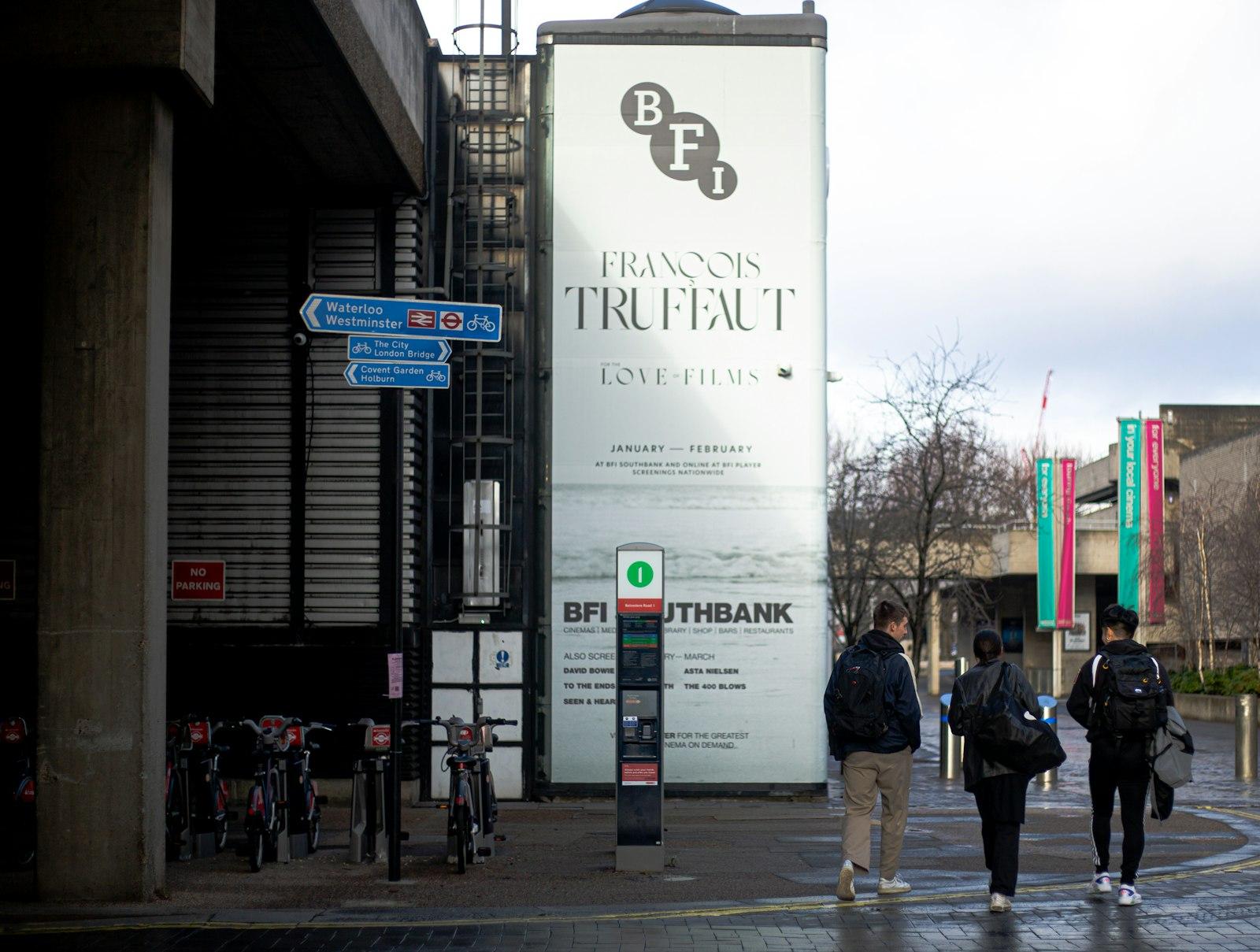
Search for creative industries funding and most of what comes back is for artists and charities: Arts Council England, Creative Scotland, local arts funds. That money matters, but it is not built for a company. A production company, a games studio or a creative technology business needs a different set of funders, and they are spread across the British Film Institute, a games-specific fund and Innovate UK.
This guide covers the business side: what each fund pays, who it is for, and what is open at the time of writing. If you are an individual artist or a charity, our guides to Arts Council England and Creative Scotland are the better place to start.
Three kinds of creative business money
- Going international. The UK Global Screen Fund pays UK film, TV and games companies to sell, co-produce and release their work abroad.
- Making new games. The UK Games Fund gives grants to independent studios to build prototypes and finished games.
- Creative technology. Innovate UK and its partners fund new tools for making and sharing content, from virtual production to music technology.
Route 1: The UK Global Screen Fund
The UK Global Screen Fund is government money run by the British Film Institute. Its grants are non-recoupable, so you do not pay them back out of your film's or game's income. It has five strands, and they are open all year rather than in rounds.
International Business Development — up to £100,000. For independent UK screen companies with a track record of creating, buying or selling intellectual property in feature films, TV programmes or narrative video games. The money backs a three- or five-year plan to grow the company abroad: more turnover, and more of your own content made, sold or bought. Open until 31 March 2029.
International Co-production — up to £300,000. For independent UK producers working with partners in other countries. Feature films in any genre qualify where the UK producer is the smaller partner; for TV, only animation and documentary qualify. The bar is high: you need at least 60% of the finance already secured (80% for the Fast Track route), plus at least one other source of UK funding. Open until 31 March 2029.
International Distribution (P&A Support) — up to £100,000. Helps a UK film get a wider cinema release abroad, paying towards prints and advertising for a group of overseas distributors, or a single distributor for an animated or documentary feature. The UK sales agent applies, or the lead UK producer if there is no sales agent. Open until 31 March 2028.
International Distribution Festival Launch Support — up to £15,000. Covers publicity, marketing and the practical costs of launching a UK film at a major international festival. UK sales agents and producers can apply, at least four weeks before the festival. Open until 31 March 2029.
International Distribution Video Game Release — £5,000 to £50,000. The newest strand, open since April 2026. It pays towards the marketing, promotion and technical costs of releasing a UK independent narrative game in other countries. The UK-based lead developer applies, one application per game, and the game can be in any language. Open until 31 March 2029.
The common thread is track record. These grants back companies that already make and sell work, and want to sell more of it abroad. A first-time producer will find more help through BFI NETWORK (below).
Route 2: The UK Games Fund
The UK Games Fund is backed by the Department for Culture, Media and Sport as part of the government's plan for the games industry. It runs two business grants.
Content Fund — £100,000 to £250,000. Expressions of interest are open at the time of writing. It funds commercial games made for entertainment, by UK-registered small and medium-sized studios with staff on the payroll working on games in the UK, and UK-based founders who own a significant share of the company. It normally expects an established studio rather than a recent start-up, and one that is not facing acute cash-flow problems. Grants of £100,000 or more are logged on the government's subsidy database.
Prototype Fund — up to £100,000. For established studios with a game at an early stage. Expressions of interest are paused at the time of writing, with the fund saying they will reopen soon. When they do, you will need at least one employee on the payroll, some early concept work, and a two-minute pitch video that shows the game rather than someone talking to camera.
If you are planning a Prototype Fund bid, the pause is time to prepare: the video and the evidence of early work take longer than the form.
Route 3: Creative technology through Innovate UK
Innovate UK treats creative technology as a priority, with an emphasis on film and TV, video games, music and live performance, and advertising and marketing.
CreaTech ICURe Discover: January 2027 closes 8 December 2026. It is for academics, postgraduate research students and technicians with a creative technology idea that might become a business. It pays up to £2,500 for testing your idea with real customers, part-time from January to March 2027, with a two-day bootcamp and access to investors and mentors. It is also the required first step for ICURe Explore, the larger follow-on programme.
For bigger creative technology projects, most Innovate UK money comes through open competitions rather than a dedicated creative fund. Our guide to AI and digital technology grants covers those.
Larger research partnerships can also bid for the European Union's Horizon Europe culture and creativity programme, where projects usually receive €3 million to €5 million and need partners in at least three countries. See our Horizon Europe guide for how UK businesses take part.
Route 4: Talent and early-stage support
BFI NETWORK funds short films and early feature development for new UK writers, directors and producers aged 18 and over, through teams across the UK. It also runs talent labs, mentoring and travel grants. If you are not yet ready for the Global Screen Fund, this is where most UK filmmakers start.
Some help is free advice rather than cash. Generator, in the North East, gives free coaching, workshops and networking to music, film, photography, digital media and design businesses trading for less than two years, including those not yet trading.
For music businesses and creators, the PRS Foundation is the main specialist funder.
Before you apply
Match the fund to your stage. The Global Screen Fund and the Content Fund want a company that already makes and sells work. BFI NETWORK and ICURe are for people at the start. Applying above your stage is a common reason to fail.
Count your finance first. Co-production grants need most of the budget in place before you apply. Know where every pound is coming from.
Plan around festivals and release dates. Festival Launch Support needs your application in at least four weeks before the event. Release funding works best when it is part of the plan, not added at the end.
Keep your company records tidy. Several funds ask about ownership, payroll and founders' shareholdings. Have them ready.
Check the subsidy rules. Larger grants are recorded as public subsidy. If you have had other public funding recently, check it will not take you over a limit.
Finding creative industries funding on Grants Hub
Creative business funding is published by the British Film Institute, the UK Games Fund, Innovate UK Business Connect and government grant listings, each in a different place and on its own timetable. Grants Hub brings them together with 5,900+ live UK funding opportunities from 3,100+ funders, checked daily. Search for film, games or creative technology, and set an alert so the next Prototype Fund round reaches you when it opens. We take 0% commission on anything you win.