Search for "Foundation Scotland grants" and you'll land on a funding page with dozens and dozens of names on it: wind farm funds, education funds, family trusts, a building society, a hydro scheme. It's easy to assume you're looking at one big funder with lots of themes. You're not.
Foundation Scotland is Scotland's community foundation. Most of the money it gives out isn't its own. Companies, family trusts and individuals set up a fund, and Foundation Scotland runs it for them: it writes the criteria with the donor, takes the applications, assesses them and makes the awards. Each fund has its own rules, its own geography and its own pot of money.
That changes how you should approach it. The question isn't "will Foundation Scotland fund us?" It's "which of its funds was set up for people like us, in our area?"
Most of the funds are about a place
When we last checked, Foundation Scotland had well over a hundred funds open. The large majority are tied to a specific community, often a single community council area or a handful of neighbouring ones.
The Highlands carry the most, followed by Dumfries and Galloway, South Ayrshire and the Scottish Borders. Fife, Argyll and Bute, Aberdeenshire, Falkirk and the Lanarkshires all have funds of their own too. Only around a dozen are open to applicants anywhere in Scotland.
If your group is in a rural area, there's a fair chance at least one fund exists purely for your patch, and the competition for it is a fraction of what you'd face at a national funder.
The wind farm money
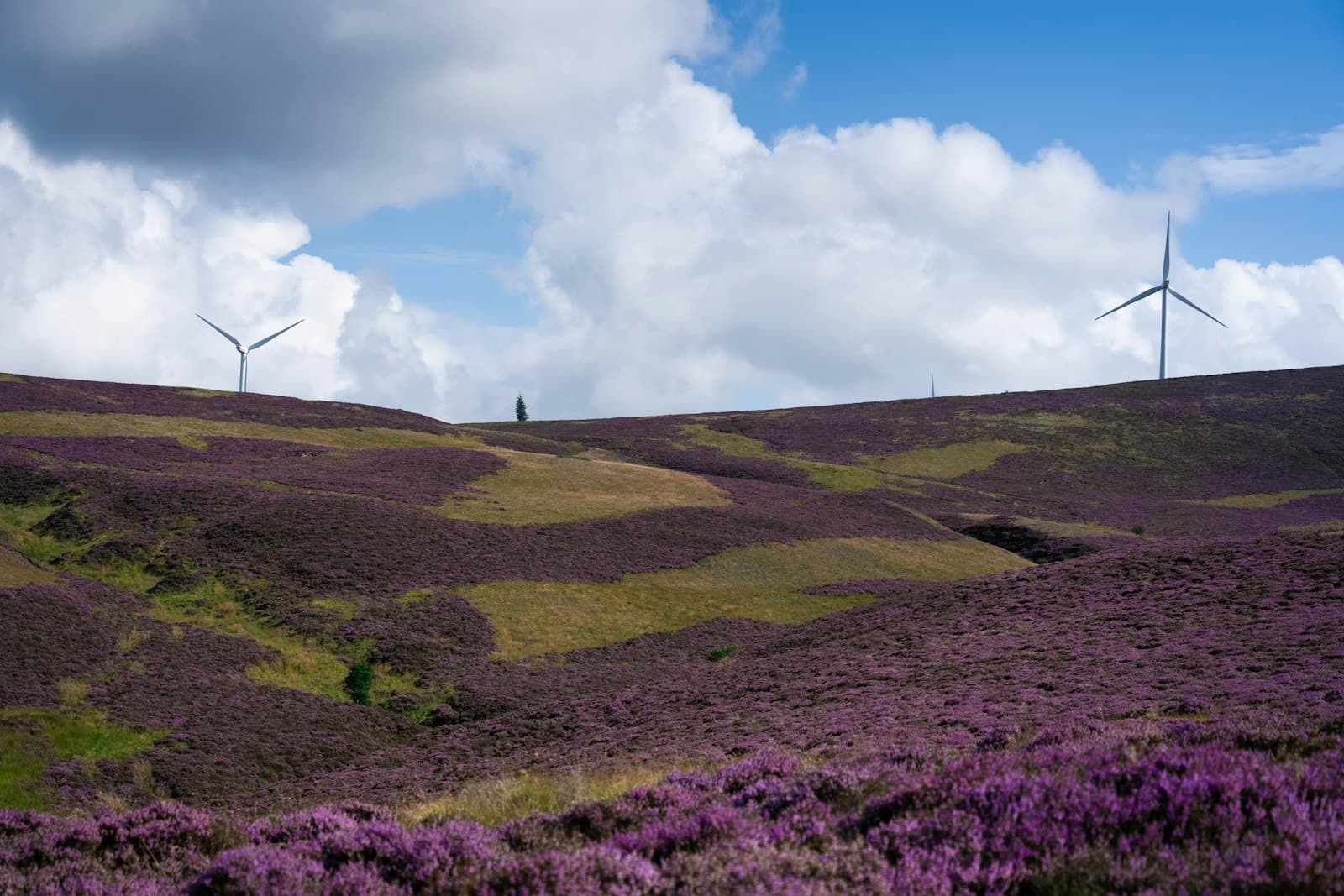
Roughly two in five of the open funds come from renewable energy: wind farms mostly, plus a few hydro schemes and battery sites. Developers commit to paying an annual community benefit to the area around a site, and many of them use Foundation Scotland to give it out.
These funds can be generous for their size of community. A few examples from the current list:
- Kilgallioch Community Fund (Dumfries and Galloway and South Ayrshire). Around £1.6 million a year comes from the Kilgallioch wind farm. Part goes straight to four named villages, and around £600,000 a year is open across the wider area, in small grants of £500 to £5,000, standard grants up to £20,000, and large grants above that through a two-stage process.
- Glenkens & District Community Fund (Dumfries and Galloway). Grants of £500 to £25,000 with two deadlines a year, and multi-year awards of up to £75,000 over three years considered.
- Vattenfall Clashindarroch Wind Farm Community Fund (Aberdeenshire and Moray) and RWE Rosehall Wind Farm Community Fund (Highland), among many others in the £5,000 to £25,000 range.
Three things to know about them.
The boundary is strict. Each fund lists the community council areas it covers. A project just outside the line is ineligible, however good it is. Check the boundary map before anything else.
Many follow a local plan. Several funds give priority to projects that match the area's community action plan. Glenkens is one. If your area has a plan, read it and say plainly which part your project delivers.
They like local evidence. Kilgallioch's guidance names community consultation, match funding and using local suppliers as things that strengthen an application. That pattern runs through most of these funds.
Education and training funds: grants for individuals
This is the part most people miss. Around 30 of the open funds are education, training or scholarship funds, and many of them pay individuals rather than organisations.
They usually sit alongside a wind farm's main community fund. The Denny and District Education & Training Fund in Falkirk is typical: people living in the area can apply for up to £1,500 a year towards a course of a year or more, including apprenticeships, or for part of the cost of a short course. There's no restriction on the subject. What matters is that you'll finish it and can say how it helps you towards work.
Similar funds exist for Kirkcowan, New Cumnock, Langhope Rig, Kildrummy and many other communities, mostly between £500 and £3,300. If you live near a wind farm in rural Scotland and you're planning to study or retrain, it's worth checking whether one covers your address.
Five funds open to anywhere in Scotland
If your group isn't in an area with its own fund, these are the national ones. All five were listed as open when we wrote this. Check each fund's page for current rounds before you apply.
Volant Charitable Trust. Volant is prioritising work on poverty and deprivation, with an emphasis on women, children and young people. The large grants programme gives up to £25,000 a year for up to three years, through a two-stage process, and isn't meant for requests under £10,000. The small grants programme gives up to £5,000 for one year, towards core or project costs, for organisations with an income under £350,000. You can't apply to both at once. All enquiries go to Foundation Scotland, not to Volant.
Bairdwatson Charitable Trust. Up to £20,000 for 12 months, for work on training for employment, employment support and vocational skills. Open to organisations with an annual income up to £2.5 million. It's a large grants programme: for £5,000 or less, the guidance points you to other funds.
Essentia Foundation. Up to £3,000 for charities and community groups improving the health and wellbeing of children and young people up to 25, or helping them into training and work. The income cap is £250,000, your whole project mustn't cost more than £12,000, and the grant has to be at least a quarter of the total. The current round has around £80,000 to share, so it's competitive.
Cockaigne Fund. Music: research, development and performance in Scotland or with a clear Scottish connection. The ceiling is £5,000, but the fund says the average grant in 2024 and 2025 was around £1,500 and expects 2026 to be similar. It's built to get projects over the line, not to start them, so you need other funding in place before you apply.
SWEF Start-up and Business Grants. For young entrepreneurs aged 18 to 30. Start-up grants of up to £500 help with first costs like equipment, stock or a website, for businesses earning under £500 a month. Business grants of up to £2,000 help an established venture grow. Both are reviewed monthly with no fixed closing date.
Two others are worth knowing about. The Crown Estate Scotland Community Capacity Grants Programme offers up to £50,000 for communities on and around the Scottish Crown Estate's land and coast. And the Social Investment Fund offers £10,000 to £250,000 to social enterprises, community organisations and charities, as a mix of loan and grant, with up to a quarter as grant. That one is mostly a loan, so treat it as investment rather than a grant.
Who can apply
Each fund sets its own rules, on top of Foundation Scotland's common eligibility criteria. In general, registered charities, constituted voluntary and community groups, community companies and SCIOs can apply to the community funds. Community Interest Companies are often eligible if they meet the minimum governance standards. Individuals can apply to the education and training funds and to SWEF.
Income caps vary a lot between funds, from £250,000 for Essentia to £2.5 million for Bairdwatson. Read the cap on the fund you're applying to, not the one next to it.
Common reasons applications don't succeed
- Applying from just outside a fund's community council boundary
- Asking a large grants programme for a small sum, or the other way round. Several funds say outright which size of request they won't consider
- Applying over the income cap for that particular fund
- Missing the fund's own conditions, such as Cockaigne's requirement for other funding already in place, or Essentia's £12,000 project ceiling
- Writing to the original donor instead of Foundation Scotland
- A local application that shows no sign of community involvement, when the fund names consultation as a priority
How to apply
Every fund has its own page on Foundation Scotland's website, with its criteria, its deadlines and its form. Start with the "read our application criteria first" link that most pages carry, then the fund-specific guidance.
Foundation Scotland's staff are named on many fund pages and are generally happy to talk before you apply. For larger or multi-year requests, that conversation is often expected. If you're unsure which fund fits, ask them. It's what they're there for.
Finding Foundation Scotland funding on Grants Hub
Searching a list this long by hand is how good local funds get missed. Grants Hub tracks Foundation Scotland's open funds, with their regions and amounts, alongside 3,900+ live UK funding opportunities from 1,400+ monitored funders, updated daily. Match your organisation once and you'll see the funds that cover your area, without reading every page. We take 0% commission on anything you win.