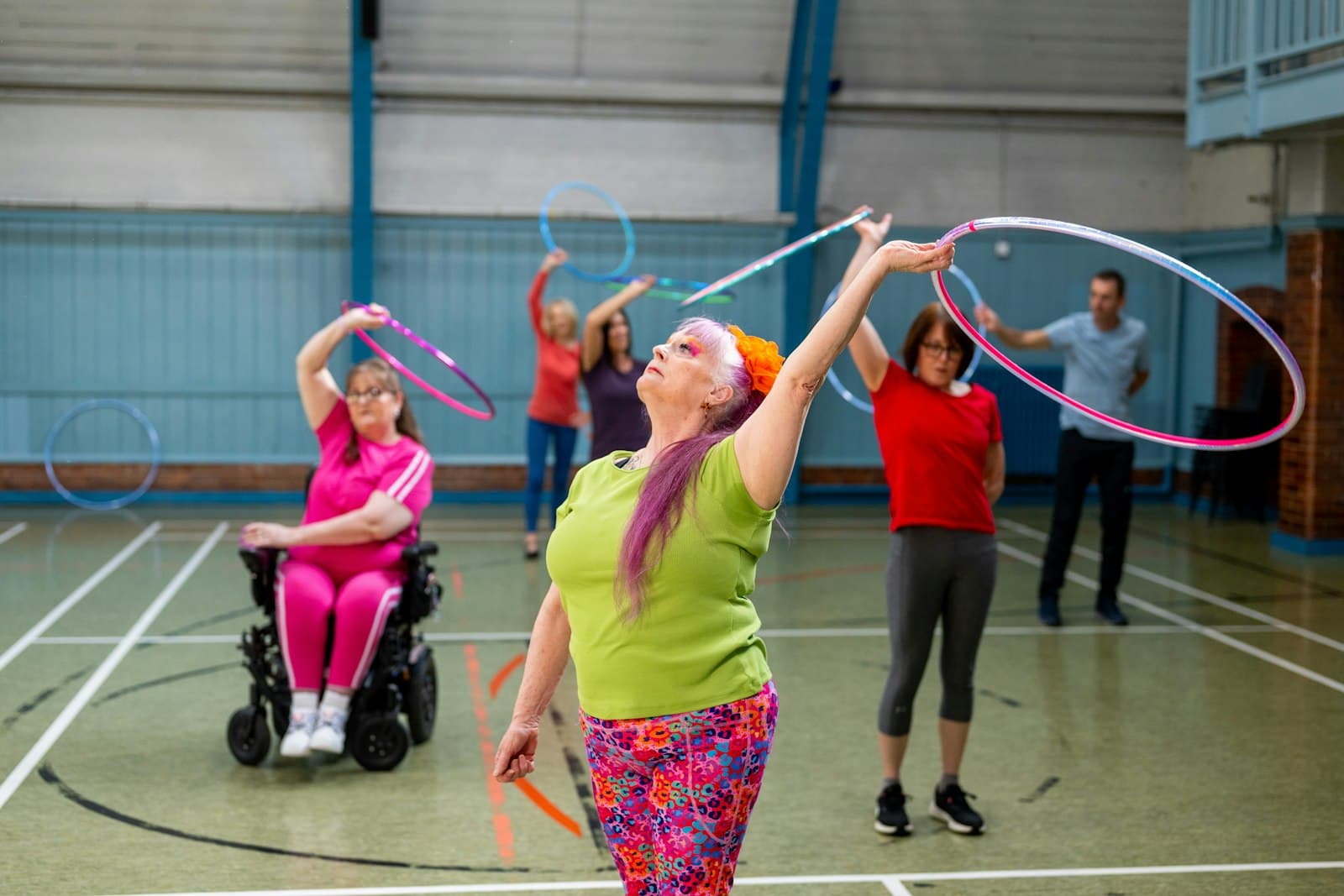
Search "disability grants UK" and you'll get two things tangled together: funds for disabled individuals needing equipment or a break, and funds for the organisations that support them. They are different worlds with different application routes, and the search results rarely separate them.
This guide is about the second kind — money for organisations. On Grants Hub today there are more than 200 live opportunities relating to disability, spread across roughly 85 different funders, and they group into a handful of recognisable types.
The national foundations
A small number of large independent funders run named disability programmes rather than treating disability as one theme among many.
Wolfson Foundation funds charities working with disability, typically for capital projects — buildings, adaptations, equipment — at around £50,000 and up. Capital funders reward preparation: costed plans, permissions, and the rest of the package in place.
Masonic Charitable Foundation funds work with special educational needs and disabilities, in a range that runs from roughly £10,000 to £60,000.
Trust for London and City Bridge Foundation jointly run a Disability Justice Fund for London, with awards from around £10,000 up to £180,000 — a rights- and justice-focused fund rather than a service-delivery one, which changes what a strong application looks like.
The pattern to notice: these are not interchangeable. One wants a building, one wants a school-facing programme, one wants campaigning and rights work. Reading the fund's purpose properly saves more time than any search tool.
Disability inside a bigger fund
Many of the largest awards for disability work don't come from a disability fund at all.
BBC Children in Need counts disability as one of its qualifying disadvantages, and extends its upper age limit to 25 for disabled young people and care leavers.
The Henry Smith Charity funds work getting young people with learning disabilities into meaningful work experience, at around £50,000 a year over several years.
If you only search the word "disability", you'll miss these. The programme title says children, or employment, or youth — the eligibility says disability.
Local and community funds
A significant slice of disability funding is local, and much smaller. Community foundations run named funds in their own areas: a disability fund in Cumbria making awards around £1,000, a local support fund making awards from £100 to £5,000, and equivalents in many other counties.
These are the grants people overlook because the amounts look small. For a volunteer-run group they're often the most winnable money on the list, the application is short, and a track record of small grants delivered well is what larger funders look for later.
Specialist trusts
Smaller trusts fund narrowly and deeply: support for children with specific conditions, equipment grants channelled through organisations, funds tied to one county or one town. They rarely advertise, their websites are often a single page, and they are frequently the least competitive funding a specialist organisation can apply for.
Research and large-scale programmes
At the other end of the scale sit research and innovation funders — national health research programmes and large European collaborative calls, where awards run into the millions and applicants are universities, health bodies and research consortia.
These are worth knowing about mainly so you can rule them out quickly. If you're a local charity, a multi-million pound call requiring a cross-border consortium is not a stretch target; it's a different sport. The exception is being a partner rather than the lead, which can be a genuine route in for organisations with strong lived-experience credentials.
How to search without drowning
Search the beneficiary, not the sector. "Learning disability", "SEND", "autism", "sensory impairment" and "accessibility" surface different funds. Searching "disability" alone will hide most of them.
Filter by region early. A large share of disability funding is geographically tied. If a fund is for one county, no amount of quality in the application changes the answer.
Check who the money goes to. If the fund pays for one person's equipment, an organisation can't apply — but you can often help the people you support apply themselves, which is worth doing anyway.
Treat the small local funds as the foundation. Two or three £1,000 grants delivered and reported well is the track record that makes a £50,000 application credible.
What strengthens a disability-sector application
- Disabled people in the organisation, not just in the beneficiary list. Funders increasingly ask who governs and who decides, and user-led organisations are explicitly prioritised by several.
- Access costs in the budget. Interpreters, accessible transport, support workers, materials in other formats. Leaving them out doesn't read as good value; it reads as inexperience.
- The social model, used rather than quoted. Describe the barrier you are removing, not the condition someone has.
- Outcomes people would actually recognise. A funder can picture someone getting to a session that was previously unreachable. "Improved wellbeing outcomes" pictures nothing.
Finding disability funding on Grants Hub
Grants Hub tracks 200+ live disability-related opportunities from 85+ funders, inside a database of 4,000+ live UK grants from 1,500+ funders across 100+ sources, updated daily. You can filter by region and organisation type, or build a profile and let the matching engine surface the funds whose eligibility you actually meet — including the ones whose titles never mention disability at all. We take 0% commission on anything you win.