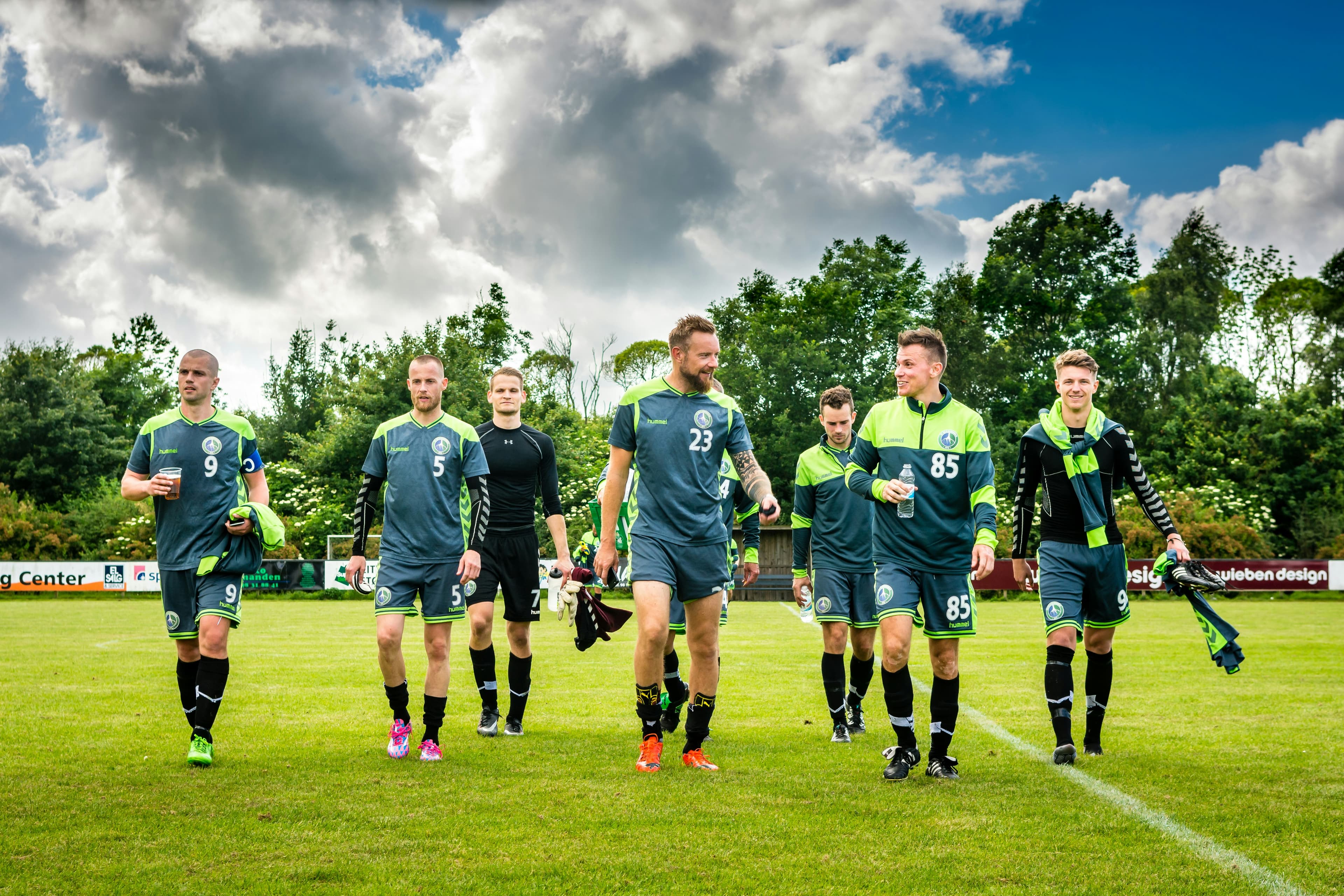
Sport England is the government-backed body responsible for growing grassroots sport and physical activity in England. Its funding sits behind thousands of local projects a year — from five-a-side leagues in community centres to walking groups for older people — and it's one of the most accessible funding routes for organisations that don't fit the profile of a typical "sports club."
You don't need to be a sports organisation to apply. Sport England is more interested in whether you understand the community you want to get active and whether your project will actually reduce inactivity — not whether you run a football pitch.
Who can apply?
Eligible applicants include:
- Not-for-profit sports clubs and leagues
- Registered charities
- Local authorities and public sector bodies
- Schools and educational institutions
- Community Benefit Societies
- Not-for-profit companies (including CICs that cannot distribute profit to directors or shareholders)
Your organisation must be working with people living in England. Private individuals and profit-distributing companies are not eligible.
The Movement Fund
The Movement Fund is currently Sport England's main open route for grassroots grants, offering between £300 and £15,000. It replaced several older, narrower programmes (including the Small Grants Programme and Together Fund) with a single, simpler application.
What makes it different from a standard grant is that it runs through two separate routes, and Sport England — not the applicant — decides which one your project is offered:
Direct grants. Sport England funds the project outright, in the way most people picture a grant working.
Crowdfunding match funding. Sport England contributes up to half your target, on the condition you raise the other half yourself through a public crowdfunding campaign (run via Crowdfunder.co.uk, Sport England's delivery partner). To unlock the match funding you need to reach 100% of your campaign target from at least 25 unique supporters.
The crowdfunding route asks more of applicants — running a campaign takes real marketing effort — but Sport England and grantees who've used it report side benefits beyond the cash: new members discovered through the campaign, local business sponsorship, and social media reach the organisation didn't have before. If your organisation already has some kind of local following or supporter base, it's worth going in expecting this route rather than treating it as a fallback.
Governance requirement: any award over £10,000 requires your organisation to meet Tier 1 of Sport England's governance code — a set of baseline standards around how your organisation is run (a documented purpose, financial controls, and safeguarding arrangements, among others). Check this before applying for the higher end of the range, since retrofitting governance structures under time pressure is a common reason larger applications stall.
You can't hold more than £15,000 of Movement Fund money in any rolling 12-month period. If you've already received an award for a completed project, you can apply again for something new — as long as the combined total across both stays under the cap.
What Sport England prioritises
The Movement Fund exists to tackle inactivity, not to fund sport for its own sake. Projects score more strongly when they clearly target:
- People who are currently inactive, not people already engaged in sport
- Long-standing inequalities in who gets to be active — by income, disability, ethnicity, age, or gender
- Sustained behaviour change, not one-off events
A project that simply adds capacity to an already-active group (more kit for an existing thriving club, for instance) is a weaker fit than one that removes a specific barrier stopping an underserved group from taking part.