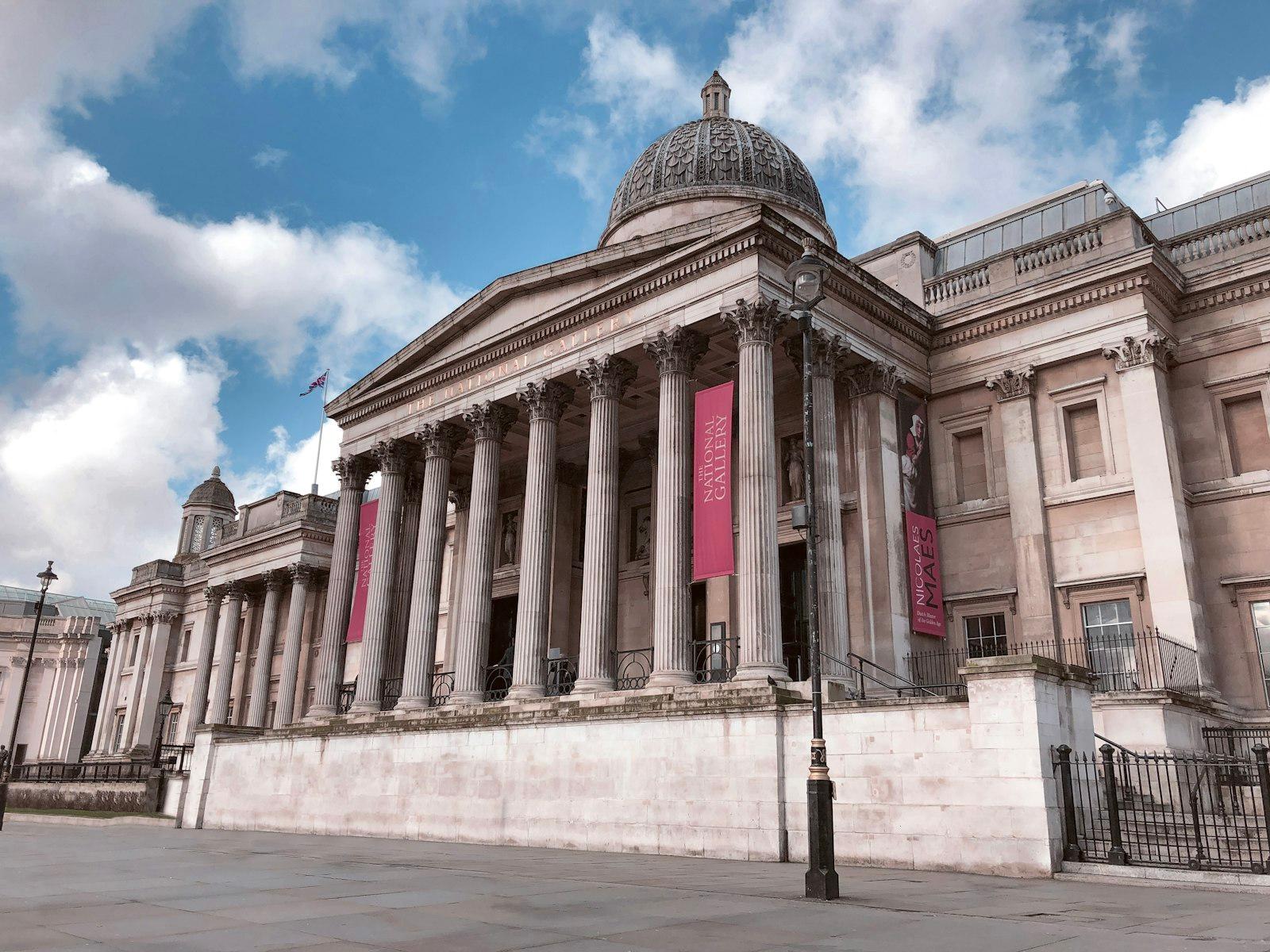
The Wolfson Foundation has been giving grants since 1955 and has awarded more than £1 billion to over 14,000 projects across the UK. It is one of the few large funders that does almost nothing but capital: new buildings, refurbishment work and equipment. It does not pay salaries, running costs or project activity.
That single rule decides most applications before anything else is read. If the money you need is for staff, a programme of events or core costs, Wolfson is the wrong door. If you have a building to fix, a space to create or equipment to buy, and part of the money is already raised, it may be one of the best funders in the country to ask.
The timing also matters right now. The Foundation runs two rounds a year, and the next one opens to Stage 1 applications on 20 November.
Who can apply
Applicants need to be a registered or exempt charity, or a local authority. Universities and research institutions apply through their own programme, and hospices run within the NHS are eligible for the hospice programme. Community interest companies, individuals and organisations applying on behalf of someone else are not.
Where a regulator rates your services, such as CQC or Ofsted, Wolfson generally expects at least a "Good" rating.
The programmes, by the kind of organisation you are
Wolfson calls its main grants "funding for places". Each type of place has its own page, its own rules and its own usual grant size. These are the figures on the Foundation's programme pages.
Health and disability
- Charities working with disability. Capital projects that help people live more independently, with a particular interest in training, employment and supported housing, and in projects that help young people move from children's to adults' services. Usual grants £40,000 to £75,000, minimum £25,000.
- Charities working in mental health. The same emphasis on training, employment and supported housing, and the same grant range.
- Charities working with older people. Care and services for older people, especially those with a neurodegenerative condition or who are isolated. Same grant range.
- Special schools and colleges. Schools and colleges for young people with special educational needs, for projects that help pupils gain work or live independently after they leave. Same grant range.
- Hospices and palliative care. New buildings, refurbishment and equipment for hospices and palliative care organisations. Usual grants £50,000 to £150,000, minimum £25,000.
For all five, the project must include capital costs of at least £50,000 and still have a shortfall of at least £25,000. It also has to do at least one of three things: increase access to services, improve the quality or range of services, or improve the organisation's future sustainability.
The exclusions are specific and worth reading before you start. Wolfson does not fund support and therapy centres (cancer support or MS therapy centres, for example), facilities in hospitals related to clinical care, carers' organisations, respite care, charities that lend equipment to families, or sports, leisure, arts or music facilities. The disability and special schools programmes also exclude playgrounds and play equipment, including sensory play.
Heritage, humanities and the arts
- Historic buildings and landscapes. Sites of outstanding historic, architectural and cultural significance that are open to the public for most of the year. Buildings must be listed Grade II* or above or be a scheduled monument in England and Wales, Category A or B in Scotland, or Grade A or B+ in Northern Ireland. Grants go towards conservation and restoration, interpretation and education spaces. Usual grants £15,000 to £100,000. When the programme is busy, sites in the very top listing grade, scheduled monuments and projects focused on public engagement come first, and heritage in private ownership is not eligible.
- Places of worship. Church fabric repairs are funded through a programme run by the National Churches Trust, so churches apply there. Places of worship of other faiths, and cathedrals, apply through the historic buildings programme.
- Museums and galleries. Accredited museums and galleries holding collections of national significance, usually for new or refurbished galleries that improve how a collection is displayed and explained.
- Libraries and archives. Accredited archives and libraries caring for nationally significant collections, usually for collection storage and research, education or interpretation spaces.
- Performing arts organisations. Professional performing arts organisations, for their training and education facilities. Community and multi-arts centres are pointed instead to the Theatres Trust's Wolfson Theatre Improvement Scheme.
For museums, libraries and archives, "national significance" generally means a Designated Outstanding Collection (Arts Council England) or a Recognised Collection (Museums Galleries Scotland). Without one, you need to make your own case for why the collection matters nationally.
Science, medicine and education
- Public engagement with science. Organisations with nationally significant scientific or natural history collections, for galleries and learning spaces linked to the history of science. Minimum grant £100,000, usual range £250,000 to £750,000.
- Universities and research institutions. Research-intensive universities and institutes doing internationally competitive research, for new buildings, refurbishment and major equipment.
- Secondary schools and sixth form colleges. State-funded schools improving specialist teaching spaces and equipment. This programme runs to its own timetable, so check its page for dates.
How the two stages work
Every programme uses the same two-stage process.
Stage 1 is short. You describe the project, its total cost, the current funding gap and the timetable, and confirm your chief executive (or equivalent) backs it. You also upload audited accounts for the last two years, and Wolfson looks at your finances closely.
Stage 2 is by invitation only. Expert reviewers read it, you get a chance to answer their questions, and expert panels then make recommendations to the trustees. An invitation to Stage 2 normally stays open for three funding rounds, so a project that is not quite ready can still come back.
The two rounds run to fixed dates each year:
| Stage 1 opens | Stage 1 deadline | Stage 2 deadline | Decision | |
|---|---|---|---|---|
| Round 1 | 20 November | 5 January | 1 March | June |
| Round 2 | 14 May | 1 July | 1 September | December |
Deadlines are 23:59. If one falls on a weekend, applications are accepted until 9am on the Monday.
The rules that catch people out
- Match funding before Stage 2. At least 25% of the capital cost must be raised before you submit Stage 2. For the health and disability programmes that applies to projects over £80,000; for heritage, arts and science, to projects over £50,000. Pledges and money you have committed yourself count. Most heritage applicants can count a National Lottery Heritage Fund Stage 1 pass, and our Heritage Fund guide covers that side.
- No retrospective grants. The project must still be under way when the decision is made in June or December. Plan the build so it has not finished by then.
- Planning permission in place. Any planning permission you need should be secured before Stage 2.
- A five-year wait after a grant. If Wolfson has funded you before, you wait five years and apply for a different project. Universities wait two years, and large charities with several sites can ask about applying sooner.
- Turned down? After a Stage 1 decline you can apply with a different project at any time. After a Stage 2 decline, wait at least a year. The same project is not normally considered twice.
- The usual exclusions. No land or building purchases, VAT, overheads, maintenance, salaries, running costs, vehicles, films, websites, events or loan repayments.
Because a grant blocks you for five years, choose the project you most need funded over that period. A £40,000 equipment request this round can rule out a £75,000 building project in two years' time.
Is Wolfson right for your project?
It is a strong fit if you are a charity or council with a defined capital project, a cost of £50,000 or more, a quarter of it raised or close to it, and a clear public benefit you can measure. It is a poor fit for revenue costs, early-stage ideas without costings, or organisations whose main work falls into one of the excluded categories.
If Round 1 is your target, the useful work between now and 5 January is getting your costs, timetable, accounts and match funding position straight, so Stage 1 can be written in an afternoon.
Finding Wolfson grants, and the funders that sit beside them, on Grants Hub
Capital projects are rarely funded by one grant. Wolfson usually sits alongside a lottery distributor, a local trust and the applicant's own money. Grants Hub tracks 5,900+ open UK grants from 3,100+ funders, checked daily, so you can see Wolfson's programmes next to the other capital funders that cover your cause and area.